
1 · Prompt
Describe the part the scene needs: a character, or a landscape piece for a new scene. The prompt asks for flat colours on plain white so it traces cleanly, in the cast's papercraft style or the lake scenery's flat vector style. Characters are posed so they can be cut into moving pieces; ground pieces (shores, streams, hills) come as wide strips with a flat bottom edge so they sit on a scene's ground line.
Pieces this will be cut into
2 · Import & trace
Drop the generated PNG (or JPG). It is traced here in your browser, the same way puppet-refs/doe-pilot/trace.py does it: every pixel snaps to a small palette, the white background drops out, and each colour becomes one flat path.
Pieces
Separate objects on the page become separate parts, in reading order. Rename any of them before downloading.
The origami entry is { vb, fills, body, parts }, the shape origami-art.js uses. parts stays empty until step 3 cuts it; as it is, it draws as a still figure.
★ · GlazyArray's Style Array
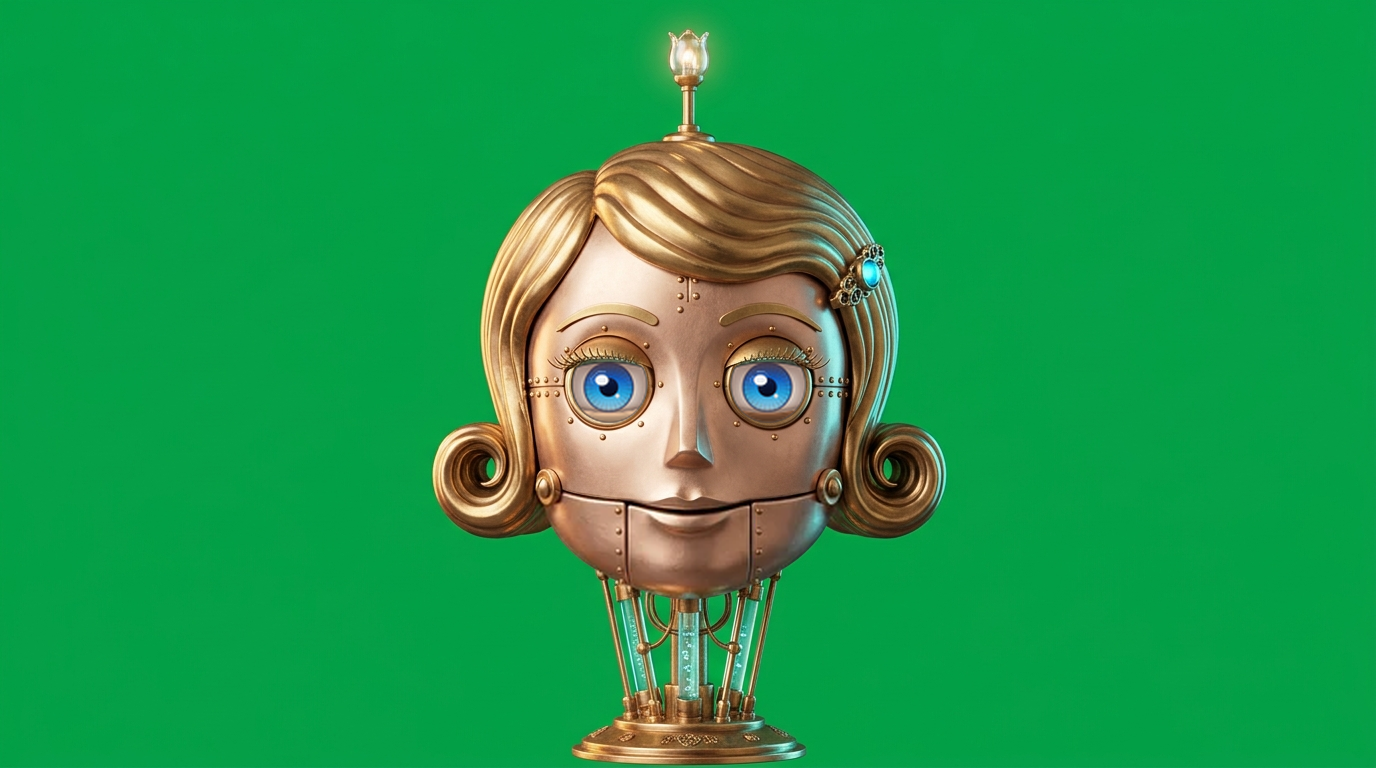
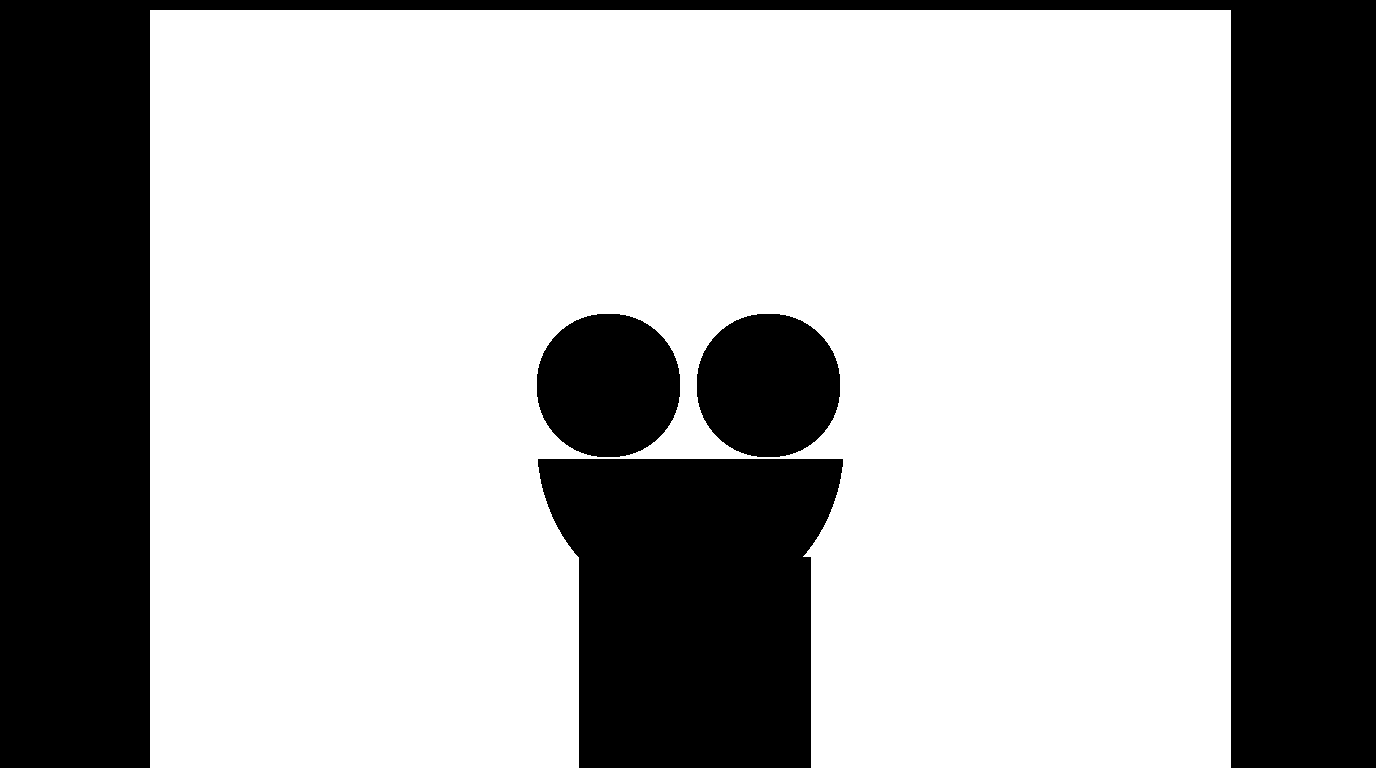
New hair and accessories for GlazyArray, the narrator in the Listen bars. Edit her template (1376 × 768 on green; with an inpainting tool, use the mask: white may change) in any image tool, following the contact sheet, changing only the hair and what's on it, then drop it here. Her face, eyes, jaw and neck stay the originals, so she still talks, blinks and winks; only the hair comes from your image.
Put the file in the site's assets/narrator/looks/ and its line in assets/narrator/looks.json. A look with dates is her default while that holiday is the next one; a click on her head steps through every look. ?look-name on any page previews it.